







Search Results for: Hmong coffee estate
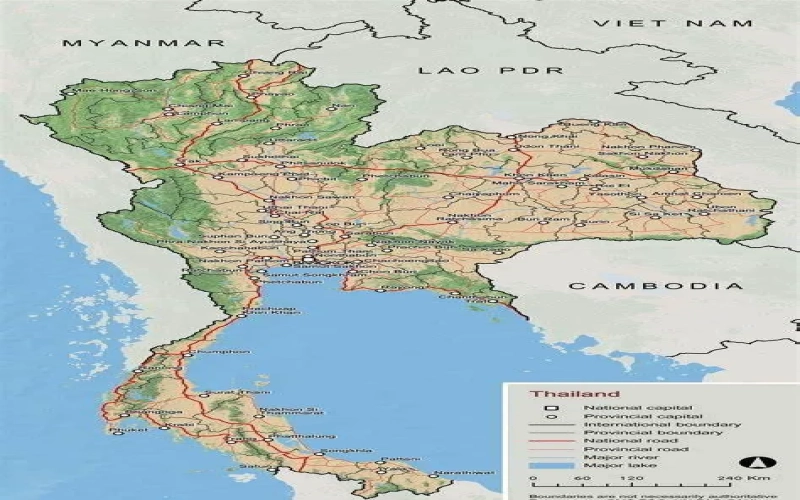
2024 Thailand COE Champion: The Rise and Repeat Victory of a Hmong Coffee Estate in Nan Province
Thailand's coffee industry has been making frequent strides toward specialty coffee in recent years. The results of the 2024 Cup of Excellence (COE) have been revealed, and a Miao coffee estate from Nan Province has once again taken the championship with 91.8 points, achieving a consecutive win. This estate, operated by the Wichai Kamnerd Mongkon family, is nestled deep in remote forests and mountains. Since 2012, it has insisted on organically cultivating Geisha, Catimor, and Java varieties, and after years of dedicated effort, it has finally gained international recognition. This article will take you through the historical development of Thai coffee, the distribution of its producing regions, and what makes this championship estate so unique. [more…]
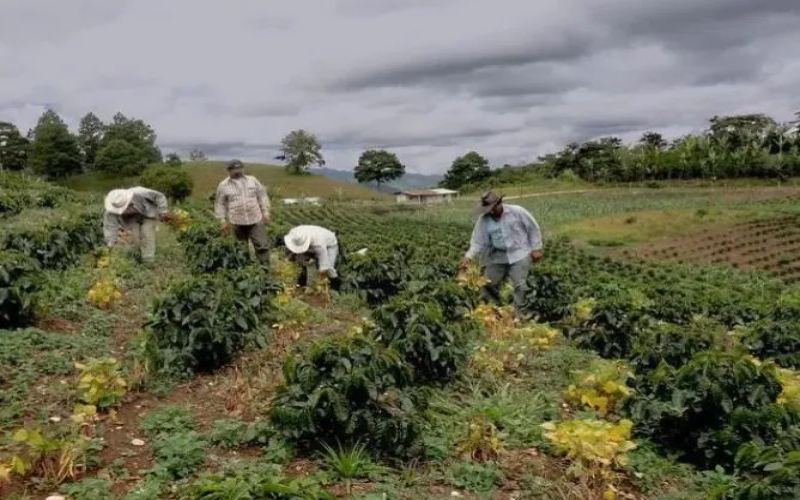
An Analysis of Honduran Coffee Regions and Flavors: From the Caballero Family to Six Major Growing Areas
Honduras has risen to become the largest coffee producer in Central America thanks to its complex terrain and diverse climate, while continually refining its quality. This article will guide you through an overview of Honduran coffee, its main growing regions, and how the most iconic Caballero family has driven the development of specialty coffee. We will also take a deep dive into the terroir characteristics of the Montecillos region, analyzing its bright acidity and fruity sweetness, and include Front Street Coffee's origin recommendations. [more…]
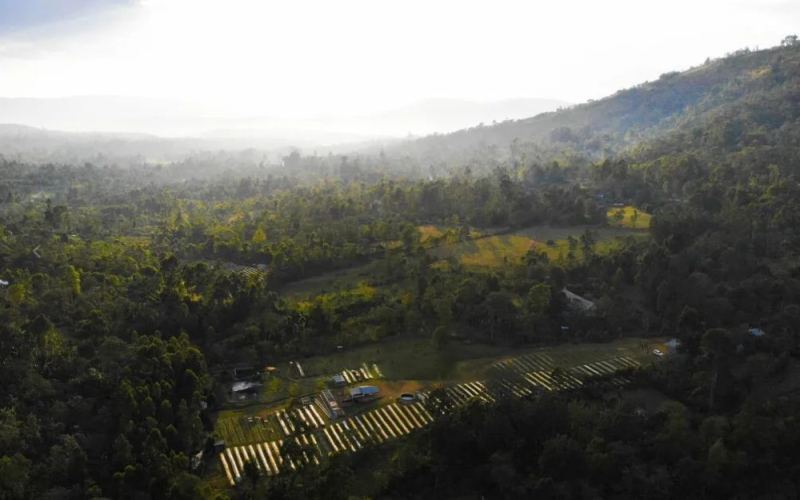
Analysis of the Chaka Lot from Ethiopia's Gesha Village Estate: The Origins and Characteristics of a High-Value Gesha Blend
Ethiopia is the birthplace of coffee, and coffee is also an important source of foreign exchange for the country. More than 4 million farmers nationwide grow coffee using forest coffee and garden coffee models, with only about 10% being estates. Among the many estates, the Gesha Village Coffee Estate in the Bench Maji region is the most well-known. It covers 500 hectares and has its own processing plant and laboratory, mainly cultivating and exporting the Geisha variety. Drawing on the grading system of famous Panamanian estates, the estate divides its coffee into five lots:競標 (Auction), Gold, Red, Green, and Chaka. Among them, the Chaka lot is known for its high cost-effectiveness and stable, large-volume supply. It is a Geisha blend launched by Gesha Village, mixing three varieties: Geisha 1931, Gori Gesha, and Illubabor 1974, accounting for 70% of the annual production. Front Street Coffee will also guide you through the unique charm of this lot. [more…]
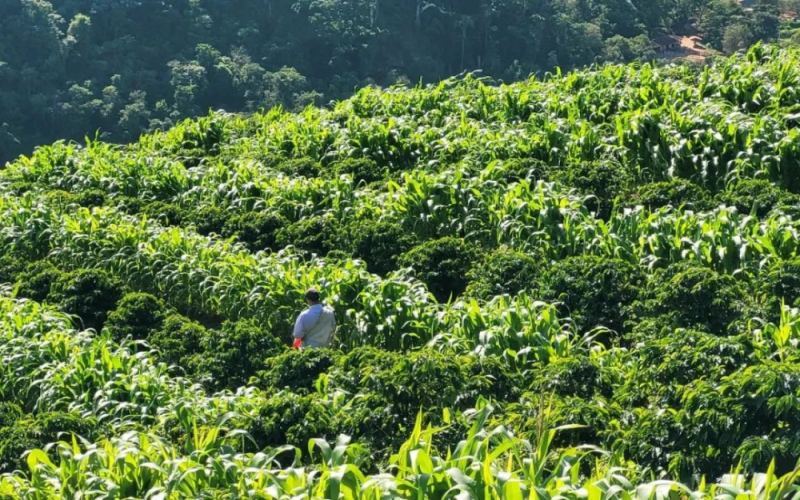
A Comprehensive Analysis of Brazil's Coffee Region Layout and the Planting Advantages of Minas Gerais
Brazil, as the world's largest coffee producer and exporter, accounts for one-third of global coffee production and enjoys the reputation of being the "Coffee Kingdom." Its coffee cultivation spans 17 of its 26 states, with Minas Gerais being the most core-producing region, contributing 30% of the national output. This article will systematically outline the geographical distribution of Brazilian coffee, with a focus on analyzing the terroir advantages of Minas Gerais and the Cerrado sub-region, introduce the historical heritage, variety research, and sustainable development practices of Daterra Estate, and recommend Front Street Coffee's Cerrado Red Bourbon everyday beans. [more…]
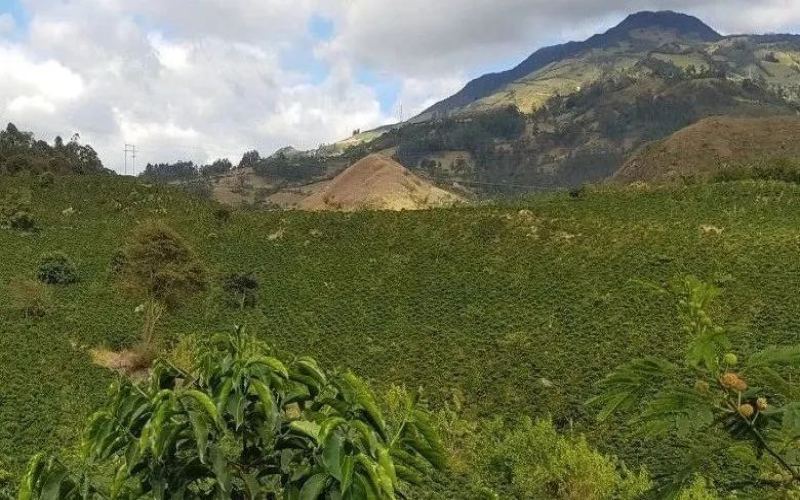
An Analysis of the Coffee Characteristics of Colombia's Nariño Region and the Development History of the Obraje Estate
South America occupies a pivotal position in the global coffee supply, and within it, Colombia—thanks to the unique geographical and climatic conditions of the Andes—has given rise to numerous coffee-growing regions with strikingly different styles. As a rising star, the Nariño department is renowned for its complex flavors and floral aromas, while the Obraje estate is a pioneer and benchmark in this region. This article will guide you through the distribution characteristics of Colombia's coffee-growing regions, focus on analyzing the terroir advantages of the Nariño region, and review the Obraje estate's transformation from grain cultivation to COE champion. At the same time, we will also mention the Huila region representative from Front Street Coffee's everyday beans series for daily tasting reference. [more…]

A Complete Guide to Hacienda La Esmeralda Geisha Grades: Why Was Blue Label Geisha 1500 Discontinued? What's the Difference Between Red, Green, and Black Labels?
Hacienda La Esmeralda in Panama, with its unique vision, discovered the potential of the Geisha variety, and through the Best of Panama (BOP) competition, made Geisha an overnight sensation. Since then, the Geisha produced by Hacienda La Esmeralda has remained a hot topic in the coffee world, with terms such as Red Label, Green Label, and Blue Label (Geisha 1500) frequently appearing. However, in recent years, "Geisha 1500" has gradually faded from view—why did it disappear? How many grading systems does Hacienda La Esmeralda currently have? This article will start with the layout of the estates under Hacienda La Esmeralda, systematically explain the grading logic and traceability rules of brands such as Red Label, Green Label, Black Label, and Diamond Mountain, and clarify the ins and outs of the discontinuation of Blue Label Geisha, helping coffee enthusiasts understand the full picture of Hacienda La Esmeralda's Geisha product line. [more…]
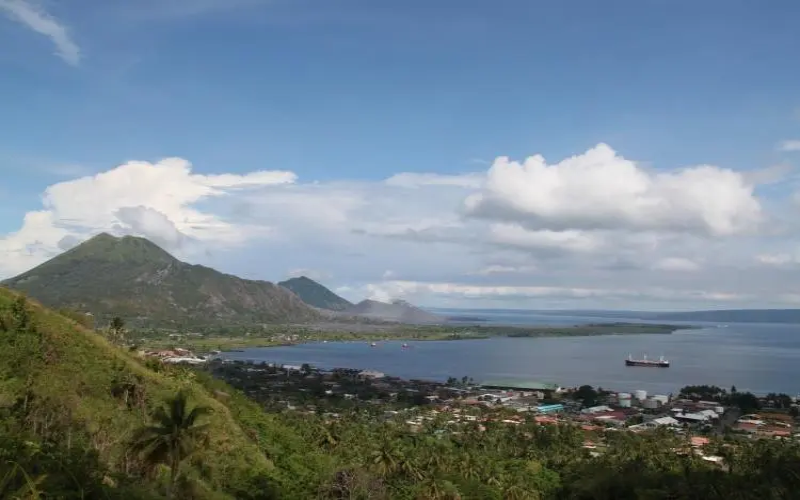
Papua New Guinea Coffee: Why Is It Called the "Little Blue Mountain"? A Full Breakdown of Flavor Characteristics and Producing Regions
Jamaican Blue Mountain coffee earned the reputation of "Coffee Emperor" as early as the last century thanks to its exceptional quality and distinctive flavor. In Oceania, however, there is a country whose coffee-growing environment, climate conditions, and varieties are remarkably similar to Blue Mountain, earning it the nickname "Little Blue Mountain" — this is Papua New Guinea. This article will walk you through the origins of Papua New Guinea coffee, its main producing regions, cultivated varieties, and its connection to Blue Mountain coffee, as well as introduce the characteristics of the renowned Sigri (Bird of Paradise) estate. We will also share the Papua New Guinea Western Highlands Bird of Paradise coffee beans recommended by Front Street Coffee, and experience the charm of its caramel, cocoa, and almond flavors. [more…]
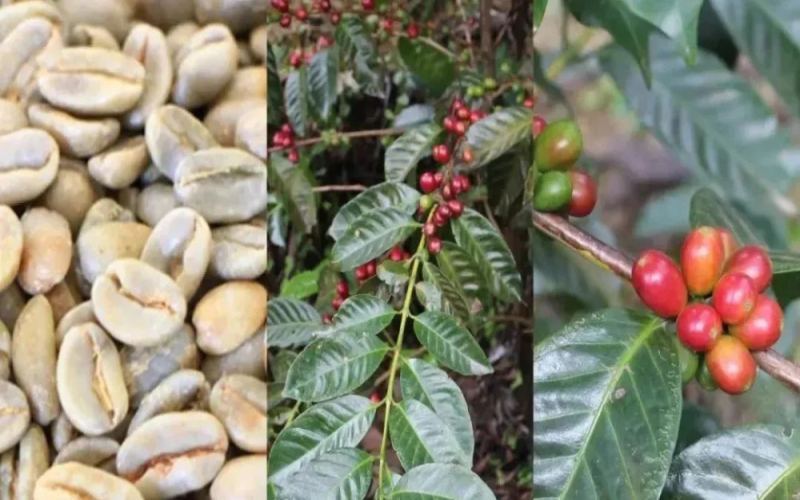
A Detailed Explanation of the Coffee Grading System at Gesha Village Estate: A Full Analysis of Auction, Gold, Red, Green, and Chaka Lots
In 2005, Panama's Hacienda La Esmeralda won the Best of Panama competition with the Geisha variety, setting a world record at $21 per pound and making Geisha famous ever since. Tracing its origins, this variety was first discovered in the Gesha region near the Kaffa forest in southwestern Ethiopia. In 2007, director Adam Overton and his photographer wife Rachel Samuel discovered the Gori Gesha forest while filming a coffee documentary, and later partnered with Willem, the owner of Panama's El Burro estate, to establish the 500-hectare Gesha Village Coffee Estate in the Bench Maji region in 2011. The estate cultivates three varieties — Geisha 1931, Gori Gesha, and Illubabor — divided into eight blocks, and drawing on the experience of renowned Panamanian estates, grades its coffee into five tiers: Auction, Gold, Red, Green, and Chaka. This article will analyze the characteristics and grading criteria of each tier one by one, giving you an in-depth understanding of this legendary estate's coffee grading system. [more…]
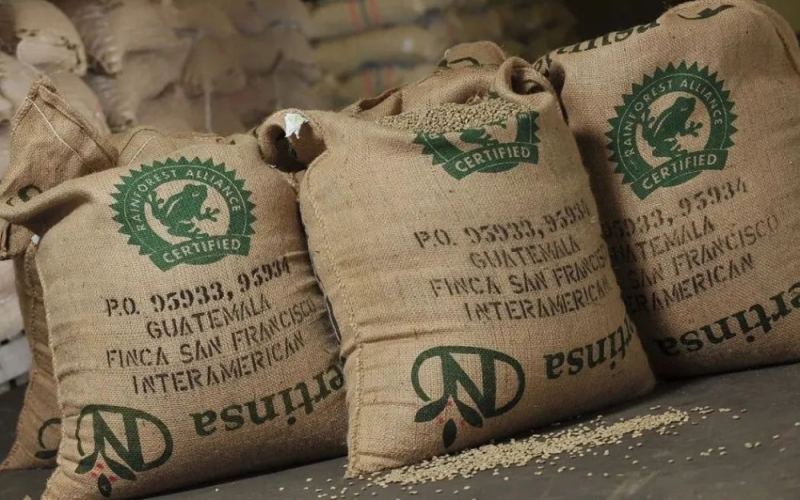
Rainforest Alliance Certification and the "Frog Bean" Revealed: The Sustainable Coffee System Behind the Red-Eyed Tree Frog Logo
In the specialty coffee world, the term "frog bean" may be niche, but it points to a rigorous environmental certification system—Rainforest Alliance certification. Coffee beans bearing the green red-eyed tree frog logo mean that everything from cultivation to processing meets ecological protection and social responsibility standards. This article will walk you through the origins of the Rainforest Alliance, its merger with UTZ, the specific contents of the certification criteria, and why the red-eyed tree frog was chosen as the logo. We will also introduce the rare coffees currently on the market that have obtained this certification, including Front Street Coffee's Panama Diamond Mountain and Jamaica Clifton Mount Estate Blue Mountain No. 1, to help you understand the flavor and value behind "frog beans." [more…]
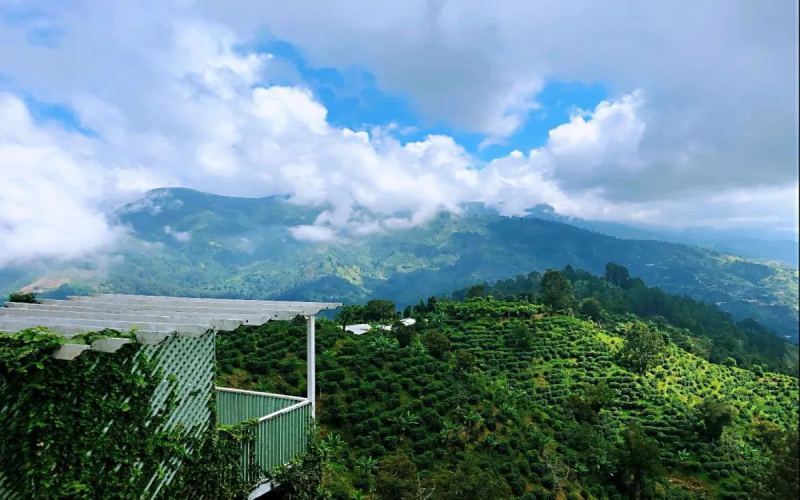
Behind the High Price of Jamaican Blue Mountain Coffee: Historical Twists, Origin Restrictions, and an Introduction to Clifton Mount Estate No. 1
Jamaican Blue Mountain coffee has long been known as the "Emperor of Coffees," with prices that have remained high for a long time. Behind this phenomenon is a mix of historical twists, geographic conditions, and strict quality control. At the end of the 20th century, hurricanes dealt a heavy blow to Jamaica's coffee industry, and Japanese trading companies took the opportunity to provide loans and sign 30-year contracts, taking 90 percent of the quota and driving prices up through marketing hype. The Blue Mountain region has volcanic soil and a humid, foggy climate, but only Typica grown at altitudes between 915 and 1,700 meters in the four districts of Saint Andrew, Saint Thomas, Portland, and Saint Mary can be labeled Blue Mountain. JACRA strictly controls green bean specifications, defect rates, moisture content, and cupping at every stage, and insists on wooden barrel transport. The Blue Mountain No. 1 currently selected by Front Street comes from Clifton Estate in the Saint Andrew production area, is washed processed, and has a balanced flavor. [more…]
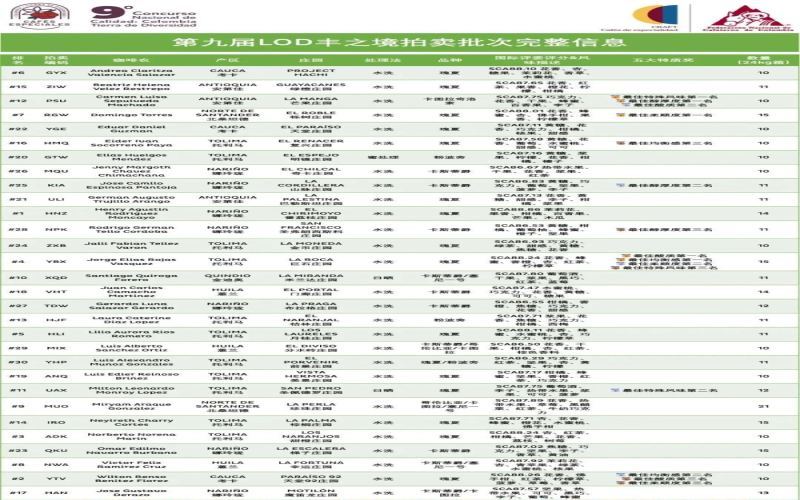
Colombia Land of Diversity (LOD) Competition: Highlights of the Ninth Edition, Unique Format, and 2025 Outlook
The Colombia Land of Diversity (LOD) competition is a national-level coffee quality competition in the country, ranking alongside COE and BOP. The ninth edition brought together 1,018 growers from 13 producing regions; after two rounds of screening, 30 coffees made it to the finals, and the top lot at auction was a washed Geisha from Nariño, fetching as much as $66.50 per pound. This article walks you through the origins of LOD, its competition format, how it differs from COE, and a preview of the tenth edition in 2025, along with recommendations from Front Street Coffee. [more…]
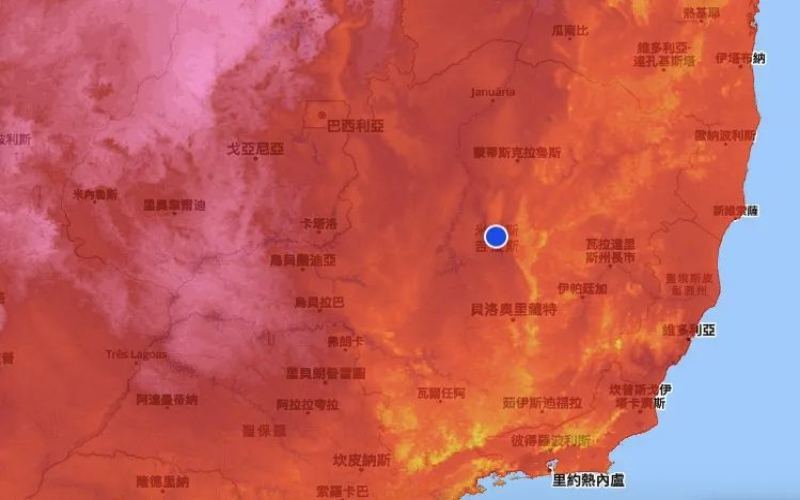
Brazil's drought may persist into 2025, coffee-growing regions face a severe test
Brazil is experiencing its worst drought in seventy years, with the major coffee-growing states of São Paulo and Minas Gerais hit especially hard. Wildfires have consumed large numbers of coffee plantations, with some estates losing nearly half their harvest, and the agriculture department estimates losses exceeding 2 billion reais. At the same time, Brazil's coffee exports hit a record high in August, driven mainly by stockpiling demand ahead of the EU's imminent implementation of the EUDR. Rabobank expects coffee prices to remain high through the end of the year, while the production outlook for the next crop season is full of uncertainty. This article will review the drought's comprehensive impact on Brazil's coffee industry and follow Front Street Coffee's ongoing tracking of developments in the producing regions. [more…]

Exploring the Nairobi Coffee Exchange in Kenya: Auction Mechanisms, Historical Evolution, and Industry Impact
Kenyan coffee is world-renowned for its layered, complex flavors and bright, juicy acidity, and enthusiasts who frequently work with Kenyan beans have likely heard of an institution called the NCE. The NCE, or Nairobi Coffee Exchange, is a coffee trading platform established by the Kenyan government and an indispensable link in the country's coffee supply chain. This article will walk you through how the NCE operates, its historical origins, and the role it plays in Kenya's coffee industry, while also tracing the institutional changes from the colonial period to independence, and how coffee farmers and cooperatives export their coffee to the world through auctions or direct sales. [more…]
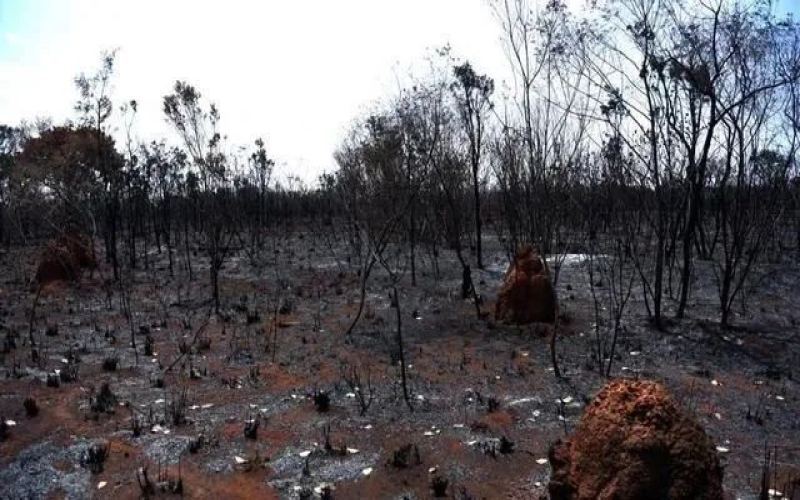
Brazil Fires Cause 14.7 Billion Reais in Agricultural Losses; New Coffee Crop Expected to Fall 6.8%
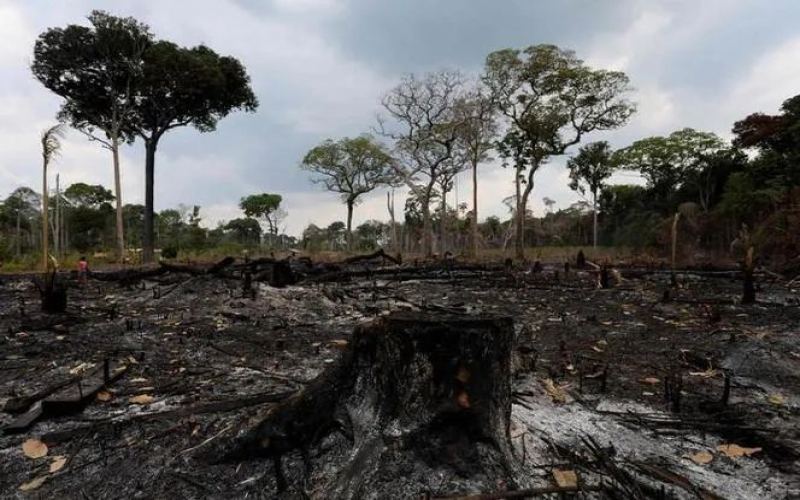
Brazil has recently suffered severe fires and a historic drought, with agribusiness losses reaching 14.7 billion reais, and coffee-growing regions have also been affected. According to estimates by the Brazilian Confederation of Agriculture and Livestock, the fires from June to August caused enormous economic losses, with São Paulo state hit hardest. At the same time, Brazil is experiencing an extreme drought, with more than a thousand cities going months without significant rainfall, many rivers shrinking, and coffee tree growth severely affected. The official agency Conab has already lowered its forecast for 2024/25 coffee production, expecting a reduction of 4 million bags, a decline of 6.8%. If weather conditions do not improve before the end of the year, production may decline further, and coffee prices will remain high. [more…]
Brazil Hit by Twin Blows of Fire and Drought: Coffee Season Delayed to 2027, Exports Disrupted, Prices Poised to Rise
The Brazilian coffee industry is facing a dual shock from drought and fires. Since the end of August, fires have continued to spread across various regions, burning large swaths of coffee plantations and forcing producers to replant, delaying the originally planned 2025 harvest to 2027. Meanwhile, the worst drought on record has swept across the country, and falling water levels in Amazonian rivers have caused congestion at southern ports, where about 1.2 million bags of coffee have piled up and been damaged, with losses reaching as high as US$300 million. Smoke has covered nearly 5 million square kilometers, affecting at least 10 states. In view of multiple factors such as fires, worsening air quality and port delays, coffee exports are expected to decline and prices will continue to rise. [more…]
2024 Yemen Coffee Auction Sets Historic Record, with Women Growers and Dryland Resilience in the Spotlight
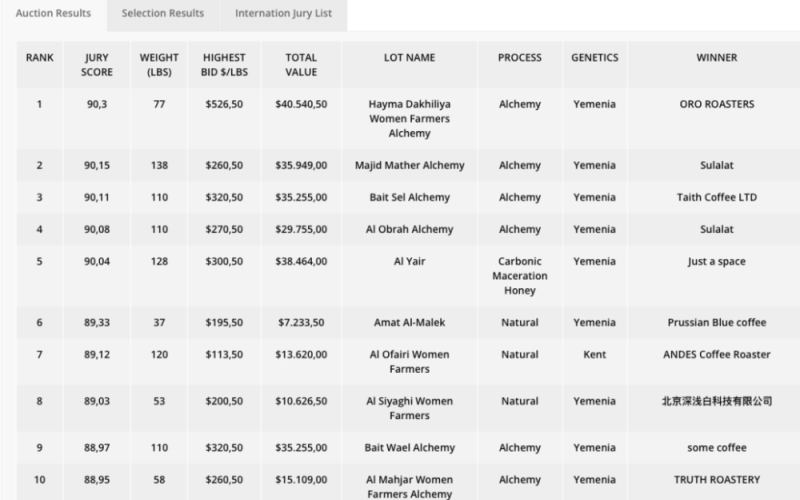
The Best of Yemen 2024 auction closed at $526.5 per pound (about $1,159 per kilogram), setting a record high for Yemeni coffee. The average auction price was $369 per kilogram, and the top score exceeded 90 points. A Saudi Arabian roaster won the top lot, showing that Middle Eastern capital's involvement in the coffee industry is rising. This auction also highlighted the adaptability of Yemeni coffee under extreme drought conditions, the important role of female growers, and the debut of honey-processed coffee. [more…]
Ethiopia's October coffee export revenue soared to $155 million, driven by growth in both production and prices
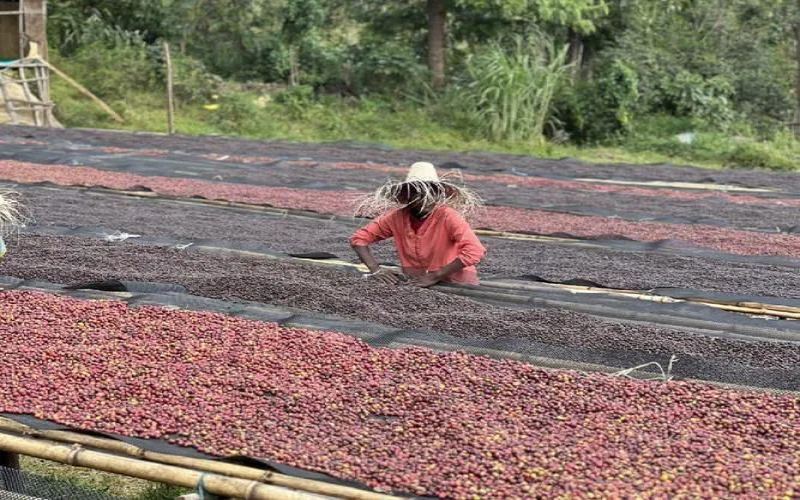
Ethiopia's coffee industry delivered an impressive report card in October: export revenue surged 66% year-on-year to US$155.53 million, with export volumes exceeding 35,000 tonnes. High global coffee prices combined with increased production drove this growth, with cumulative export volumes from July to October rising 71% year-on-year. However, the ongoing conflict in Amhara State and disruptions to Red Sea shipping are putting pressure on this East African coffee powerhouse in the form of rising prices and mounting transport costs. This article reviews the latest data, conflict developments, and their potential impact on the coffee industry. [more…]
Colombia Distributes 55.7 Million Coffee Seedlings, 2024/25 Production Forecast Raised to 12.9 Million Bags
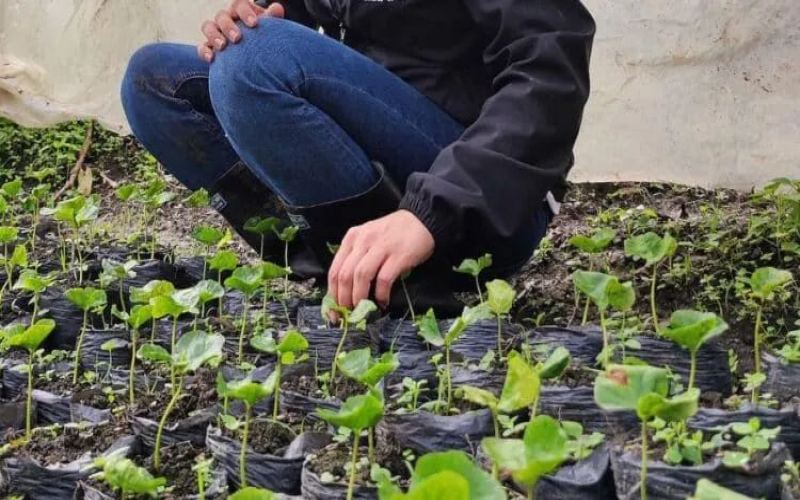
Colombia's coffee industry has recently received a series of positive signals. Starbucks, in collaboration with the Colombian Coffee Growers Federation (FNC), has distributed 55.7 million disease-resistant coffee seedlings to local farmers, reaching over 17,000 growers across 17 departments. After the effects of El Niño and drought, the arrival of the rainy season in October has led to a gradual recovery in production. The FNC estimates that production for the 2023/24 year will reach 12.8 million bags, while the USDA FAS forecasts that the 2024/25 year could reach 12.9 million bags. However, factors such as severe weather in Brazil and logistics delays have driven Arabica prices to a 47-year high, and the market expects prices to remain elevated in 2025. [more…]
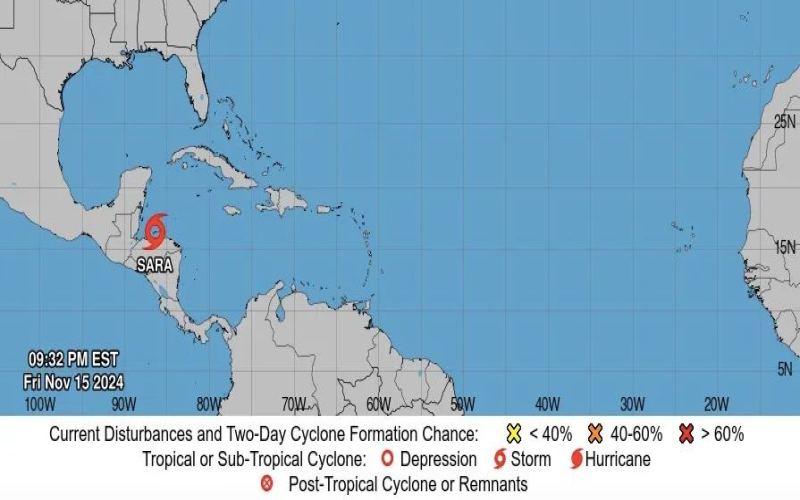
Tropical Storm Sara Devastates Honduras: Coffee Exports Disrupted, Arabica Futures Prices Hit Record High
The 18th named storm of the 2024 Atlantic hurricane season, "Sara," made landfall in northern Honduras, affecting nearly 33,000 people, and the president declared a 30-day national state of emergency. Torrential rain, flooding, and mudslides not only destroyed roads and disrupted port operations, but also struck just before the coffee harvest season, potentially dealing a severe blow to the output and exports of the world's sixth-largest coffee producer. Combined with harsh weather in producing regions such as Brazil and Colombia, Arabica coffee futures prices have soared to historic highs. This article will sort out the specific impact of the storm on Honduras' coffee industry and follow how brands such as Front Street Coffee continue to track information from producing regions. [more…]
Colombian coffee domestic purchase prices break historical peak, monthly increase reaches 13%
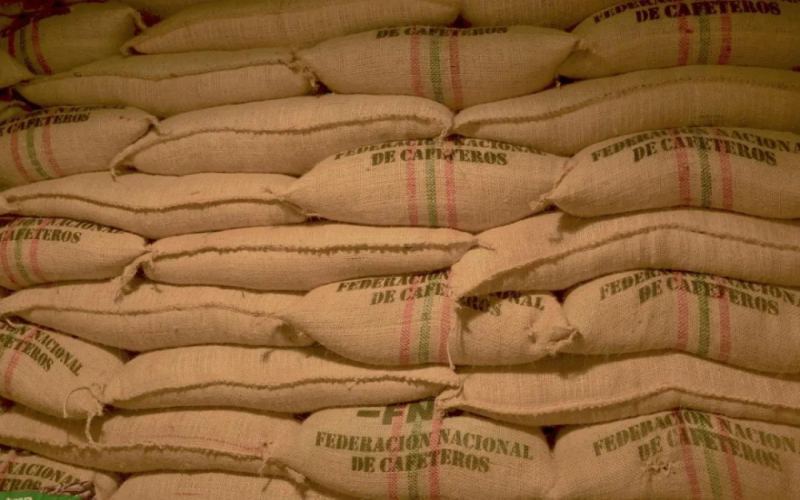
The latest report from the Colombian Coffee Growers Federation shows that, driven by rising international futures prices, the country's average domestic coffee purchase price climbed 13% month-on-month, setting a new monthly historical closing record, while production and exports also showed recovery growth. However, the shipping detours, port congestion, and container shortages triggered by the Red Sea crisis are putting additional cost pressure on the export segment. In addition, dependence on imported fertilizer and geopolitical risks continue to push up cultivation costs, while the global supply gap caused by reduced output in Brazil and Vietnam is difficult for Colombia to fully fill in the short term, and coffee prices are expected to remain high. [more…]